

Side Control
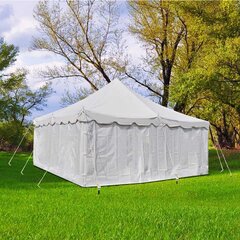
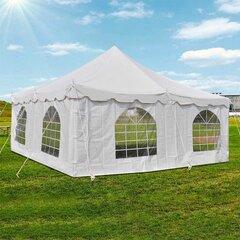
Use sidewall sections where the layout benefits from a more defined edge or controlled opening.
|
|||
|
|
Finish the tent, not just the roof.
Sidewalls and event-support accessories help turn a basic pole tent into a more intentional outdoor setup. Start with the tent itself, then use the live inventory below to add the walls and support pieces that make sense for your Rhode Island event.
Verified customer feedback from MCVR tent and event setups. Each card links directly to the customer's individual Google review.
“We rented a 20X30 tent, tables, chairs, and lighting for a graduation party and were VERY SATISFIED ...”Laura Almeida · May 10, 2022 Read on Google
“I used My Cousin Vinny's for a Tropical Luau event in June 2022. I rented a 20x30 tent bundle with 6...”Kimberly Donald · July 11, 2022 Read on Google
“The next time I need an event tent and accessories I will use My Cousin Vinny's Tent Rental without ...”Lyndsey Wells · September 17, 2021 Read on Google
“Last minute tent rental for our church event was handled professionally and affordably by My Cousin ...”Victor Gluckin · October 10, 2021 Read on Google
Add-ons should solve a specific event problem rather than being added automatically.
Use sidewall sections where the layout benefits from a more defined edge or controlled opening.
Solid sections can help visually separate selected sides of the event space from surrounding areas.
Window-style walls can create a more enclosed look while maintaining outside sightlines.
A planned perimeter can make a tented event feel more intentional than an unfinished collection of equipment.
Choose based on what that particular side of the tent should do. Current availability is shown in the live inventory above.
A solid wall creates stronger visual separation and blocks the direct view through that side of the tent.
It can make sense behind food service, equipment, storage or another area that does not need to stay visually open.
A window wall creates a more defined perimeter while keeping exterior visibility and daylight through the sidewall.
It can work well where guests are seated and the event should still feel connected to the surrounding property.
Start with how guests enter, where food or service equipment sits, which direction the property opens and which sides actually benefit from a wall.
Leaving selected sections open can preserve circulation and sightlines. Adding a wall where it solves a layout problem can create a more useful space.
Build the perimeter intentionally instead of treating every side as the same.
Accessory quantities and compatibility depend on the selected tent and the event layout.
Lock the actual tent size and configuration before selecting perimeter accessories.
Identify where guests, catering, equipment and staff need clear access.
Decide which edges should remain open and which would benefit from a wall.
Use the live rental listing or MCVR guidance to confirm the accessory matches the tent being reserved.
If the event extends into the evening, plan tent lighting separately from the sidewall layout.
Lighting can affect outlet planning, fixture placement and the way tables, service areas and entrances are arranged inside the tent.
Do not assume lighting is included with a tent or sidewall unless it is specifically part of the selected rental or package.
Tent accessories are part of the event setup, not a substitute for weather monitoring or safe operating decisions.
Sidewalls can change how wind interacts with a tent. Follow MCVR's current setup and weather requirements for the actual event.
A wall can help define a selected side, but outdoor-event conditions still need to be evaluated as a complete setup.
Closing more sides changes airflow inside the tent. Consider guest comfort when planning the perimeter.
Start with the pole tent that fits the event site, guest count and layout.
Then use the live accessory inventory to finish the specific tent you selected. This reduces the chance of building an accessory plan before the primary structure is settled.
Current prices, available quantities and selectable accessories should come from the native ERS inventory rather than static text on this page.
Use the selected tent, site layout and event conditions to decide which accessories make sense.
They are support items used with a pole-tent event setup, such as sidewall-related components and other tent-specific add-ons shown in the current live inventory.
The inventory system contains both solid-white and window pole-tent wall records. Because current availability and visibility can change, use the live inventory above to see what is actually available for your event.
Not automatically. Consider entrances, guest flow, catering access, sightlines and the event layout before deciding which sides should be open or closed.
Do not assume they are. Review the exact tent or package listing to see what is included, then add accessories separately when needed.
No. They can change exposure on selected sides, but outdoor-event weather, wind and safety requirements still apply to the complete tent setup.
Yes, when compatible inventory is available. Tent lighting should be planned separately because it can add electrical and layout requirements.
Choose the primary tent first, then review the accessory listing and current booking options for compatibility. Contact MCVR when the specific layout needs confirmation.
Use Order By Date to select the event date and see the current ERS inventory available for that date.
Start with the structure, decide which sides actually need support and use the live inventory to complete the event without overbuilding it.